Dynamic stability is the body’s ability to maintain control whilst performing movement. This is vital for activities of daily living and a good quality of life. Improved dynamic stability helps with improved movement efficiency in a sporting context but is also vital in preventing falls with more mundane day to day tasks in later life. Below are a few tips on ways to alter your training to maximise your dynamic stability;

1. Sensory Input
Dynamic stability is directly linked to your ability to process information from a range of systems in the body, including sight, sound, pressure, proprioception and vestibular input. The brain puts all this information together to decide on what position in space the body is in and what reactions need to be made to maintain balance and stability.
We can incorporate this into training by performing movements which involve spinning or twisting movements, performing exercises on soft or unstable surfaces like a BOSU ball or foam pad. This forces our brain to have to rely on more sensory input to control the movement being performed.
2. Centre of Mass and Base of Support
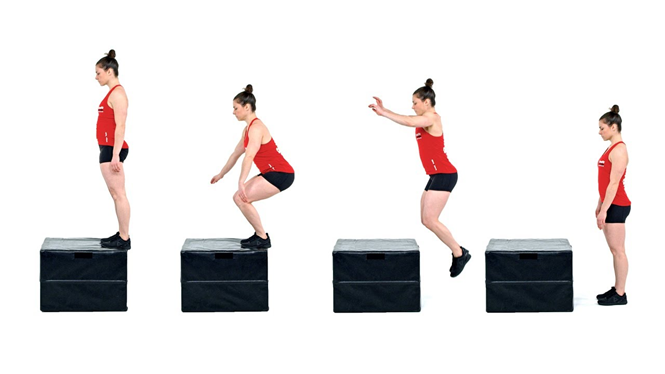
Having a centre of mass, which is located within the base of support is one key component of having better stability. However, during activities such as walking and running, the centre of mass and base of support are continuously changing. While there is a good place for more static exercises like squats, make sure your program also involves exercises where your base of support and centre of mass are moving. Some good examples of this would be walking lunges, step ups and box jumps.
3. Strengthening
Strength of your lower limb (legs) and core is vital to maintaining dynamic stability. Lower limb strength can be directly linked to the body’s ability to react to sudden applications of force or loss of balance. The core also helps the transfer of force and energy, which aids control of the centre of mass and base of support.
A good resistance program involving the lower limb and core will ensure that when your brain detects the need to react to changes in the forces being applied to it, the muscles of the legs and core are strong enough to react appropriately. While there is a myriad of exercises that can be utilised, think function. Ideally your resistance training should look like the movements that your body has to perform in life. Think squats, deadlifts and lunges.
4. Balance and Proprioception
Exercises which challenge balance and proprioception directly correlates to improved dynamic stability. This can be as simple as practicing balancing on one leg but needs to be challenging to maximise the outcomes of the exercise. Some examples of harder exercises would include single leg stand on foam pad or BOSU ball and progressing to things like Arabesque or weighted squats on the BOSU.

Once these exercises are starting to feel easier, consider making the brain work harder by having to react to a more dynamic situation like having to catch and throw a ball.
5. Manual Therapy
Freedom of movement is essential in providing appropriate movement strategies for maintaining balance and stability. Stiff or painful tissue and joints hinder movement and decrease the range of potential movement options the brain must choose from to correct or maintain stability.
Manual Therapy is a useful tool for improving tissue and joint mobility and restoring freedom of movement. This may include, massage, trigger point ball release, massage guns, foam rolling, acupuncture and joint mobilisations. Any tissue therapy which restores or improves tissue and joint mobility and aids in freedom of movement is helpful.
If you would like some help upping your dynamic stability game, book an appointment with one of our experienced physios today!
Article by Alex Coleman





