Bone stress injuries (BSIs) are among the most common overuse injuries in runners—and one of the most misunderstood. They often start as simple aches or pains, but left untreated, they can escalate into full-blown stress fractures requiring prolonged rest and rehab. Physiotherapists play a vital role in early detection and structured management, which is essential to keeping runners on track.

Early Warning Signs: What to Watch For
BSIs develop when repetitive loading exceeds the bone’s ability to remodel. This results in microdamage which accumulates faster than it can be repaired.
Symptoms include:
- Localised pain that worsens with impact activity (running, jumping)
- Tenderness to palpate over a bony area
- Pain that improves with rest but returns quickly on resumption of load
- Night pain or discomfort at rest (in more advanced cases)
Clinical Assessment and Imaging
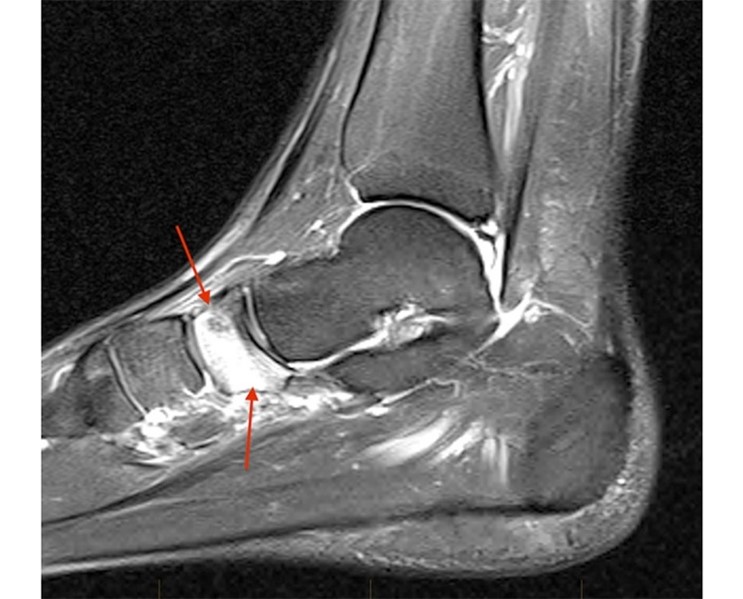
Clinical assessment can start the initial management, and the severity of the BSI dictates how management is undertaken. Imaging may be required to confirm the diagnosis and grade its severity
MRI is the gold standard, offering:
- Early detection of bone marrow oedema
- Grading from periosteal reaction (Grade 1 – lowest) to fracture line (Grade 4 – severe)
- Assessment of surrounding soft tissue involvement
Bone scans and CT may be used in specific cases, but MRI remains the most sensitive and specific tool for early-stage BSIs imaging.
Management Principles: De-load, Restore, Rebuild
Recovery from BSI requires a structured, phase-based approach:
1. De-load
- Relative rest from impact activities
- Protection – moon boot or crutches for high-grade or high-risk injuries
- Addressing nutritional deficits, including but not limited to Vitamin D and calcium.
2. Restore
- Gradual reintroduction of low-impact activity (e.g., cycling, swimming)
- Progressive loading through strength work
- Rehab exercises to correct for any biomechanical or strength issues.
3. Rebuild
- Introduction of plyometric and force absorption exercises
- Follow a graded return-to-run protocol (e.g., walk-run intervals)
- Monitor for recurrence of symptoms
- Use wearable tech to track loading metrics (cadence, ground contact time)
Prevention: Educate, Empower, Evolve
BSIs are preventable with the right strategies:
- Educate individuals on training load management and recovery
- Empower with strength programs tailored to running demands
- Evolve footwear choices and running technique based on individual needs

At In Balance Physio & Pilates, our expert physios utilise clinical expertise to guide runners from injury to performance. We build recovery plans that are evidence-based and specifically focused for each individual.
If you suspect that you may be struggling from a bone stress injury click on the link below to book an appointment today and get on your way to better health!
Article by Alex Coleman





