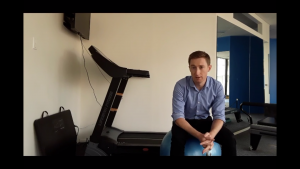
Running cadence put simply, is the step rate per minute. Problems with Cadence can contribute to poor running efficiency, tissue overload and injury. …
Welcome to In Balance Physio and Pilates Blog
Cadence
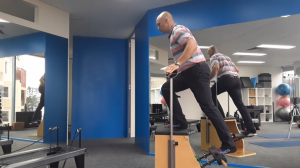
Pilates exercises for runners
Pilates is a great form of exercises for running rehab and prehab. With a big focus on strength and control of the stabilising muscles of the trunk and hip, …
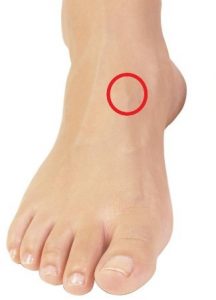
Navicular Stress fractures in Runners
Stress fractures are an overuse condition that develop after periods of repeated mechanical loading which leads to structural fatigue and microdamage of the …

Pilates for Runners
Pilates has long been established as a great form of exercise for working on the core and stabilising system of muscles of the body. While Pilates is …
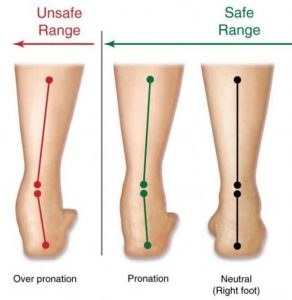
Over-Pronation
The foot provides us with 2 main functions: STABILITY (a solid base of support in weight-bearing) and MOBILITY (allowing us to propel, mobilise, absorb shock …

Plyometrics
What is Plyometrics? Throughout injury rehabilitation physiotherapists strive to use effective strength and conditioning programs to optimise an …
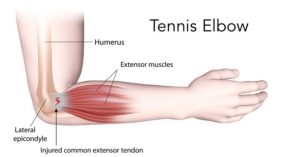
Tennis Elbow
What is it? The layman’s term ‘Tennis elbow’, has more recently been replaced by the term lateral epcondalgia. This describes a range of clinical …
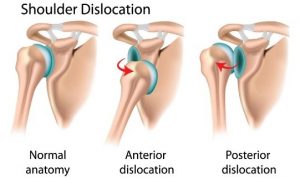
Shoulder Dislocation
The shoulder complex consists of 2 joints, the acromioclavicular joint or AC joint and the large ball and socket, glenohumeral joint. Shoulder …
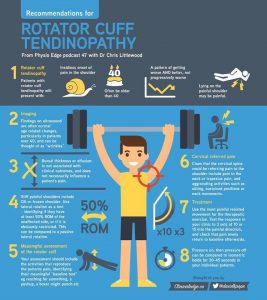
Rotator Cuff Tendon Injury
What is rotator cuff tendon injury? The rotator cuff muscles are a group of 4 muscles running from the scapula or shoulder blade, out to the top of the …

Combo Chair Cobra
The Combo Chair, cobra stretch is a great exercise to encourage thoracic and lumbar mobility. https://www.youtube.com/watch?v=UNzRBm0GjdU&t=6s …




