Running may seem simple, but in fact is a complex motion. For physiotherapists, understanding the biomechanics of running gait is essential to identifying injury risk and guiding runners toward safer, more efficient movement.
What Is Running Gait?
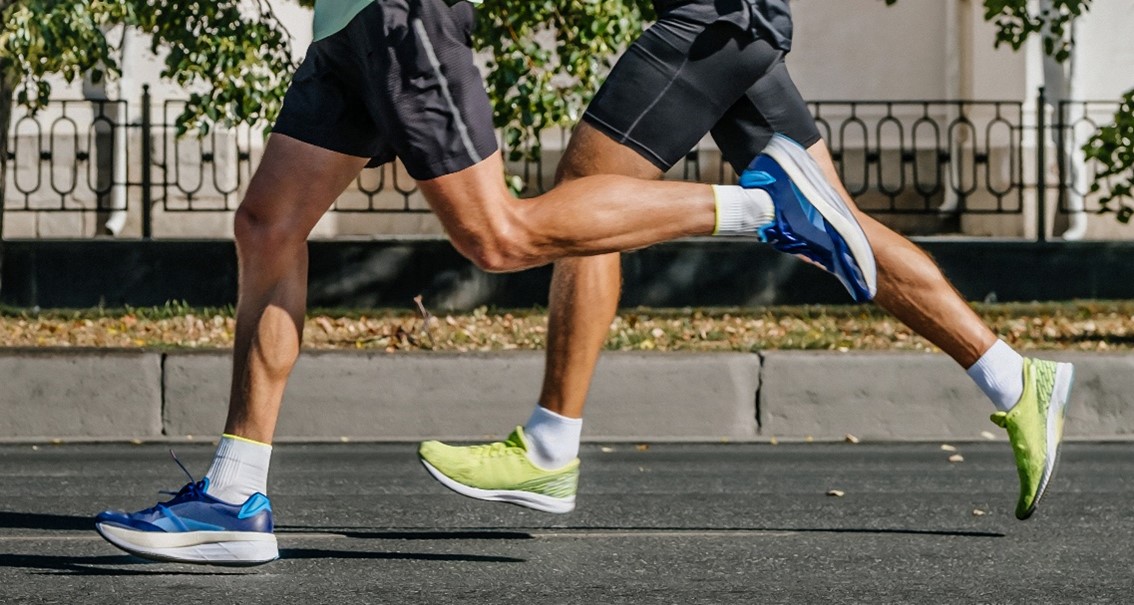
Running gait refers to the cyclical pattern of movement during a run. This is broken down into two phases:
- Stance Phase: When the foot is in contact with the ground
- Swing Phase: When the foot is airborne
Each phase involves coordinated action across the hip, knee, ankle and foot. However, the core, trunk, scapula and thoracic region are vital to this movement also. Deviations in timing, alignment or force distribution can predispose runners to injury. This can occur with major deficits or even small subtle ones.
Common Gait Faults and Their Injury Links
An assessment of your gait by a trained professional is important to identify the aspects of your gait which may lead to decreased running efficiency or injury. Some common gait issues and their implications include:
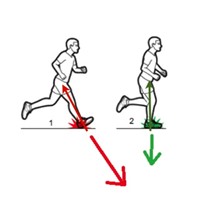
Overstriding – This is basically trying to take too big a step and where the lead foot lands too far forward of the body. This can overload a range of body areas leading to knee pain, shin splints or hamstring strain.
Excessive Pronation – This occurs when the foot rolls inwards excessively and often leads to issues such as plantar fascia pain, tibial stress injuries and knee pain.
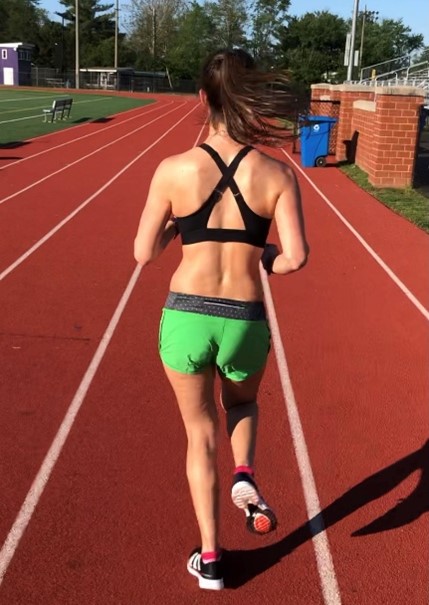
Hip Drop (Trendelenburg) – This refers to excessive lateral tilt or drop of the hip and pelvis on the opposite side to the stance leg, often because of weakness of the muscles of the hip. Commonly this will lead to ITB issues, gluteal tendon injuries and low back pain.
Low Cadence (<160 SPM) – Cadence refers to the number of steps per minute (SPM). Taking fewer and bigger steps when running results in increased ground contact time and ground reaction forces, placing much more stress on the lower limb generally. Some of the injuries associated with this include patellofemoral (kneecap) pain, knee pain and stress fractures.
Cross Over Gait – Imagine running along a straight line on the ground; your feet should each land just to the outside of the line. Crossover gait is when your feet land on or across the line. This places extra strain on the hip and ankle and can result in injuries such as Achilles Tendinopathy and later hip pain.
How Physios Assess Gait
Assessing running biomechanics is complex, and there are many ways to perform an analysis, including:
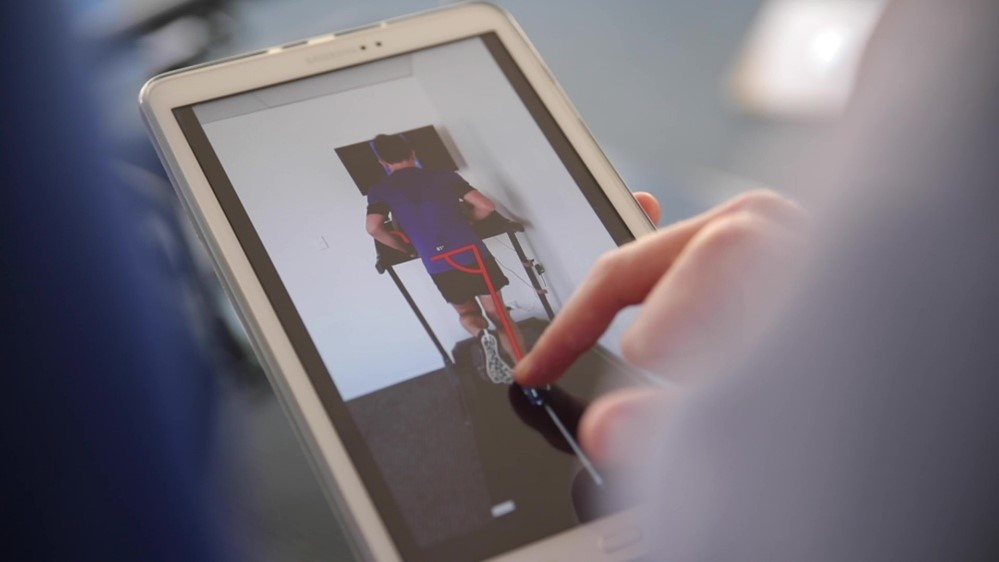
- Video gait analysis (slow-motion breakdown)
- Functional movement screens (single-leg squat, hop tests)
- Strength and mobility assessments (glutes, calves, hip rotators)
Performing these techniques together helps to assess the cause, not just the symptoms, thereby allowing faster recovery and improving running efficiency while aiming to prevent reinjury.
Correcting Gait: Rehab and Re-education
Gait retraining is about optimising movement for each runner. This means there is no specific protocol to follow and depends on the individual’s anatomy, goals, running and injury history / status. Strategies may include:
- Increasing cadence by 5-10% to reduce impact forces
- Strengthening glutes and core to stabilise pelvis
- Cueing midfoot strike or shorter stride for over striders
- Using mirrors, metronomes or treadmill feedback for real-time correction
Prevention Is the Best Rehab
By addressing gait faults early before pain sets in, physios can help runners avoid common overuse injuries. Education, strength training and regular movement screening are powerful tools in keeping runners resilient.
Article by Alex Coleman
