For many people, Benign Paroxysmal Positional Vertigo (BPPV) causes more than just brief episodes of dizziness. It can lead to something far more dangerous — falls.
Falls are a leading cause of injury, particularly among older adults, and BPPV significantly increases the risk. The good news? You can lower your fall risk dramatically with proper treatment and a targeted physiotherapy plan.

Why Does BPPV Increase Fall Risk?
BPPV is a condition of the inner ear, where displaced calcium crystals (otoconia) disturb the balance system, especially with quick head movements. When your brain receives mixed movement signals from your balance system, the result is often a sense of spinning, dizziness or imbalance. Under these conditions, your ability to catch or steady yourself is decreased and can result in falls. For older adults or those with other balance challenges, these risks are magnified.
- 1 in 3 people aged 65+ falls each year — and those with vestibular issues are even more vulnerable.
- BPPV has been linked to a significantly higher rate of falls compared to those without vestibular dysfunction.
- Many BPPV-related falls occur during routine tasks like getting out of bed, turning in the shower, or walking in dim lighting.
- A recent study in “Age and Aging” of 450 people who presented to hospital after a fall, found that 6% of them were positive for BPPV.
How Physiotherapy Helps Reduce Fall Risk
1. Repositioning Manoeuvres
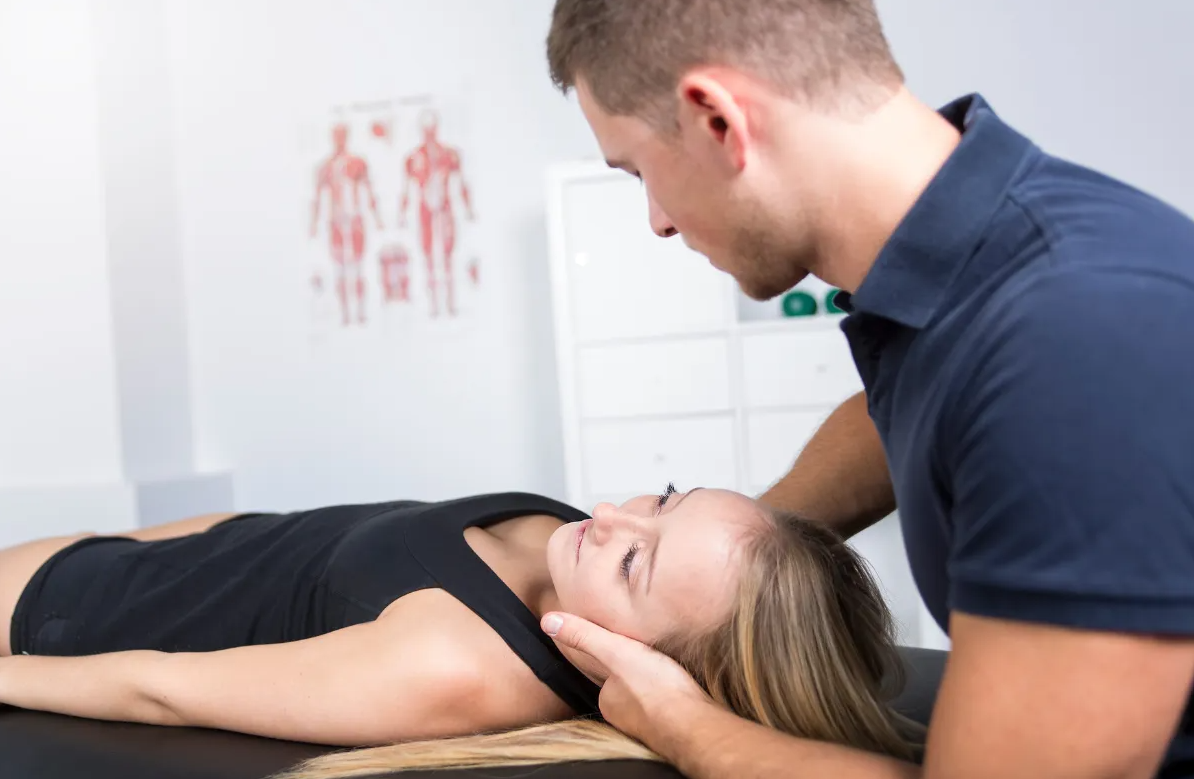
When assessment confirms the presence and type of BPPV, a well, trained physio can perform a range of techniques to reposition the dislodged inner ear crystals and stop the vertigo – often within 1-2 sessions.
2. Balance Training
Physios assess your standing and walking balance and prescribe exercises to improve postural control and reduce unsteadiness. Common exercises include:
- Standing on one leg
- Tandem (heel-to-toe) walking
- Dynamic balance drills (like reaching while standing or turning)
3. Gait and Strengthening Exercises
Improving lower limb strength, coordination, and walking confidence is vital — especially if you’ve already had a fall or fear falling. Often after BPPV, people develop a fear of movement, particularly of movements of the head which have triggered symptoms in the past. Once your BPPV has been successfully treated, it is essential that you move the head and body as normally as possible to retrain your brain to process inputs normally and to move freely and smoothly.
When to Seek Help
If you experience any of the following, it’s time to see a physiotherapist or healthcare professional:
- Recurrent or sudden dizziness when changing positions
- Feeling off-balance even when not dizzy
- A recent fall or near-fall
- Avoiding certain movements out of fear of vertigo
BPPV may be common and treatable, but its connection to falls makes it a serious concern — especially in older adults. The spinning sensation might only last a few seconds, but its consequences can be long-lasting if not managed properly.

Don’t put up with decreased quality of life from vertigo. Book an appointment today with one of our experienced vestibular physios today to restore your balance, confidence and quality of life.
Article by Jim Burke
